Tree plantation is one of the simplest and most effective ways to protect our environment and build a healthier future. Trees are essential for maintaining ecological balance, reducing air pollution, preventing soil erosion, and providing shelter and food for countless living organisms. As the world’s population continues to grow and urban areas expand, forests are being destroyed at an alarming rate. Therefore, tree plantation has become more important than ever.
Planting trees is not only the responsibility of governments and environmental organizations. Individuals, schools, businesses, and communities can all participate in tree plantation programs. Even planting a few trees around homes, roads, schools, and public spaces can make a meaningful difference.
What Is Tree Plantation?
Tree plantation means planting trees in suitable places to increase green coverage and restore the natural environment. It can be carried out in forests, gardens, parks, roadsides, school campuses, agricultural areas, and other appropriate locations.
Tree plantation is different from simply planting a tree and leaving it unattended. Successful tree plantation also involves selecting suitable tree species, preparing the soil, providing enough water, protecting young plants, and caring for them until they become established.
A well-planned tree plantation program can improve the environment while also providing economic and social benefits to
local communitie
Importance of Tree Plantation
Trees are often called the lungs of the Earth because they absorb carbon dioxide and release oxygen through photosynthesis. They play a major role in maintaining the quality of the air we breathe.
One of the most important reasons for tree plantation is environmental protection. Trees absorb carbon dioxide, which is one of the major greenhouse gases responsible for climate change. By increasing the number of trees, we can help remove carbon dioxide from the atmosphere and contribute to climate change mitigation.
Trees also filter harmful pollutants and dust from the air. In cities, where traffic and industrial activities produce significant amounts of pollution, trees can help create cleaner and healthier surroundings.
Another major benefit is the protection of biodiversity. Forests and trees provide food, shelter, and breeding grounds for birds, insects, mammals, and many other organisms. Planting native trees can help restore habitats and support local wildlife.
Benefits of Tree Plantation
1. Improves Air Quality
Trees naturally improve air quality by absorbing carbon dioxide and releasing oxygen. Their leaves can also trap dust and certain airborne pollutants. Increasing tree coverage in urban and rural areas can therefore contribute to a cleaner atmosphere.
2. Reduces Global Warming
Global warming is one of the biggest environmental challenges facing the world. Trees absorb and store carbon dioxide, helping to reduce the amount of this greenhouse gas in the atmosphere.
Large-scale tree plantation and forest restoration can support efforts to reduce carbon emissions and build a more climate-resilient planet.
3. Prevents Soil Erosion
Tree roots hold soil together and reduce the risk of soil erosion caused by wind and rain. This is particularly important in areas near rivers, hills, and agricultural land.
Trees also improve soil structure by adding organic matter through fallen leaves and other natural materials.
4. Supports Biodiversity
Trees create habitats for many species. Birds build nests in branches, insects live on leaves and bark, and animals may depend on trees for food and shelter.
Planting a variety of native trees can help protect biodiversity and maintain healthy ecosystems.
5. Provides Shade and Reduces Heat
Trees provide natural shade and can reduce temperatures in cities and residential areas. Concrete buildings, roads, and other surfaces absorb heat, creating what is known as the urban heat island effect.
Planting trees along streets, around buildings, and in parks can make communities cooler and more comfortable.
6. Protects Water Resources
Trees play an important role in the water cycle. Their roots help water enter the soil, while their leaves release water vapor into the atmosphere through a process called transpiration.
Trees can also reduce surface water runoff and help protect rivers, lakes, and groundwater from excessive soil and pollution.
7. Provides Food and Useful Resources
Many trees provide fruits, nuts, seeds, timber, medicine, fuel, and other valuable resources. Fruit trees can provide nutritious food for families and communities.
Sustainable management of trees can also create employment and support local economies.
8. Improves Mental and Physical Health
Green spaces with trees can create peaceful and attractive environments. Spending time around nature may help reduce stress and encourage outdoor activities.
Trees can also make neighborhoods more beautiful, encouraging people to walk, exercise, and spend time outdoors.
Tree Plantation and Climate Change
Climate change has increased the importance of planting and protecting trees. Human activities such as burning fossil fuels, deforestation, and industrial development have increased greenhouse gas concentrations in the atmosphere.
Trees absorb carbon dioxide during their growth and store carbon in their trunks, branches, roots, and surrounding soil. Protecting existing forests is therefore extremely important, while planting suitable trees can complement broader climate action.
However, tree plantation should not be considered a replacement for reducing greenhouse gas emissions. We also need cleaner energy, responsible consumption, sustainable agriculture, and protection of existing forests.
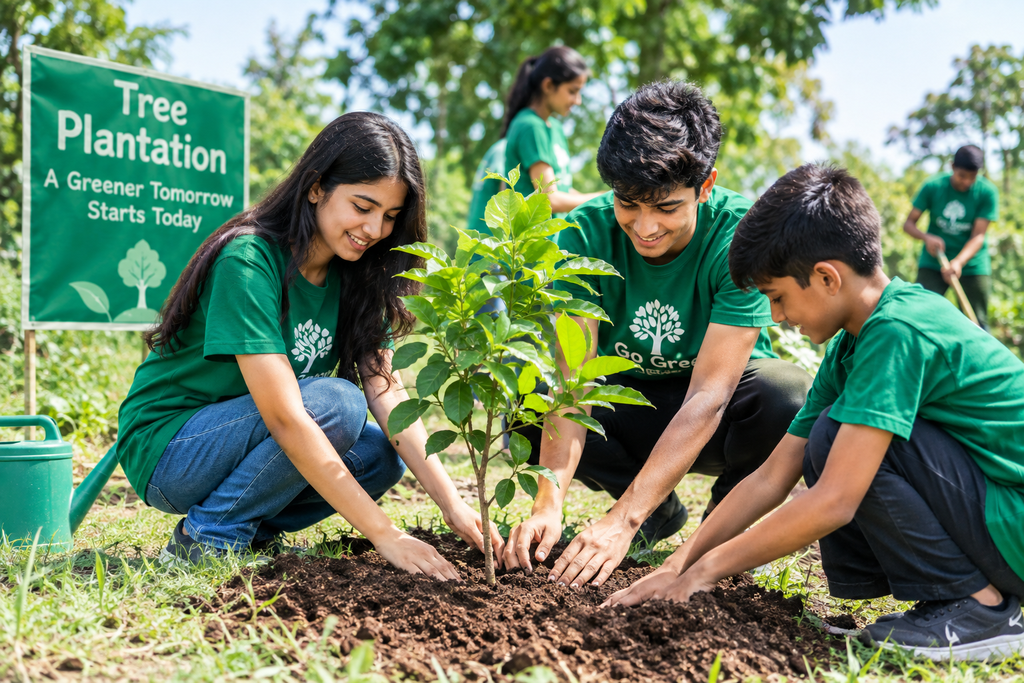
How to Plant a Tree Properly
Planting a tree is relatively simple, but proper care is essential for long-term success.
Step 1: Choose the Right Location
Table of Contents
Select a location where the tree will have enough sunlight, water, and space to grow. Avoid areas where mature roots or branches could interfere with buildings, power lines, or roads.
Step 2: Select Suitable Tree Species
Choose tree species that are appropriate for the local climate, soil, and ecosystem. Native species are often a good choice because they are adapted to local environmental conditions and can support native wildlife.
Step 3: Prepare the Soil
Dig a hole that is wide enough for the tree’s root system. Loosen the surrounding soil so that roots can expand easily.
Step 4: Plant Carefully
Place the young tree in the hole and make sure it is standing straight. The root collar should generally remain at an appropriate level rather than being buried too deeply.
Fill the hole with soil and gently press it around the roots.
Step 5: Water the Tree
Water the newly planted tree thoroughly. Young trees need regular watering, particularly during dry weather.
Step 6: Protect the Young Tree
Protect the tree from animals, strong winds, weeds, and accidental damage. Mulching around the base can help retain soil moisture, although mulch should not be piled directly against the trunk.
Step 7: Continue Caring for It
Planting is only the beginning. Regular watering, monitoring, weeding, and appropriate maintenance can significantly increase the tree’s chances of survival.
Best Places for Tree Plantation
Tree plantation can be organized in many places, including:
- School and college campuses
- Roadsides and highways
- Public parks
- Community spaces
- Residential gardens
- Agricultural land
- Riverbanks
- Degraded forest areas
- Office and industrial premises
- Urban open spaces
The location should always be selected carefully according to the needs of the tree and the surrounding environment.
Role of Students in Tree Plantation
Students can play an important role in environmental protection. Schools can organize annual tree plantation programs and teach students how to plant and care for trees.
Students can also encourage their families and communities to protect existing trees and reduce unnecessary cutting.
A school tree plantation program can be more effective when students are involved not only in planting but also in monitoring and caring for the trees throughout the year.
Role of Communities and Governments
Tree plantation becomes more effective when communities, local authorities, and governments work together.
Governments can create urban forests, protect natural forests, promote sustainable land management, and provide support for community-based tree planting programs.
Local communities can identify suitable areas, plant native trees, protect young plants, and raise awareness about environmental conservation.
Businesses can also contribute by developing green spaces around their facilities and supporting responsible environmental projects.
Tree Plantation in Urban Areas
Urban tree plantation is particularly important because cities often have high levels of air pollution and limited green space.
Trees planted along streets, in parks, around schools, and near residential areas can provide shade, improve visual beauty, reduce heat, and support urban biodiversity.
Urban planning should therefore include sufficient green spaces and appropriate tree species. Trees should be selected according to available space, soil conditions, climate, and future growth.
Challenges of Tree Plantation
Although tree plantation offers many benefits, several challenges can reduce its success. These include poor selection of tree species, lack of water, inadequate maintenance, soil degradation, pests, extreme weather, and illegal cutting.
Planting thousands of trees without ensuring their survival is not an effective environmental strategy. The quality and long-term survival of planted trees are more important than simply counting the number of trees planted.
For this reason, every plantation project should include a proper maintenance and monitoring plan.
How Can We Encourage Tree Plantation?
Everyone can contribute to tree plantation and environmental protection. Individuals can plant trees around their homes, participate in local plantation campaigns, and avoid unnecessary tree cutting.
People can also encourage others through social media, educational programs, community events, and environmental clubs.
Schools can organize tree-planting days, while businesses can support local green initiatives. Even small actions can become powerful when large numbers of people participate.
Conclusion
Tree plantation is essential for creating a cleaner, greener, and healthier planet. Trees improve air quality, absorb carbon dioxide, protect soil, conserve water, support biodiversity, provide shade, and offer valuable resources to people and wildlife.
However, planting trees is only one part of environmental protection. We must also protect existing forests, reduce pollution, use natural resources responsibly, and ensure that newly planted trees receive proper care.
The future of our environment depends on the choices we make today. By planting and protecting trees, individuals and communities can make a positive contribution to nature and future generations.
A single tree may seem small, but millions of healthy trees can transform landscapes, improve ecosystems, and create a better world. Therefore, tree plantation should become a regular part of our efforts to protect the Earth.
Frequently Asked Questions About Tree Plantation
Why is tree plantation important?
Tree plantation is important because trees improve air quality, absorb carbon dioxide, prevent soil erosion, support biodiversity, conserve water, and reduce heat.
What is the best time for tree plantation?
The best planting time depends on the local climate and tree species. In many regions, planting during the rainy season can help young trees establish because sufficient natural moisture is available.
Which trees should we plant?
Native and climate-appropriate tree species are generally preferred because they are better adapted to local conditions and can provide important benefits to local ecosystems.
How can students participate in tree plantation?
Students can participate by joining school plantation programs, planting trees at home or school, caring for young plants, and educating others about environmental protection.
Is planting trees enough to stop climate change?
No. Tree planting can help remove carbon dioxide from the atmosphere, but it must be combined with reducing greenhouse gas emissions, protecting forests, using clean energy, and adopting sustainable practices.
Leave a Reply